



Everything You Need to Know About Red Light Panels
IN THIS ARTICLE
- 01 What Is Red Light Therapy?
- 02 How Do Red Light Panels Work?
- 03 What Are the Benefits of Red Light Panels?
- 04 What is the Science Behind Red Light Panels?
- 05 What Are the Side Effects of Red Light Panels?
- 06 Conclusion
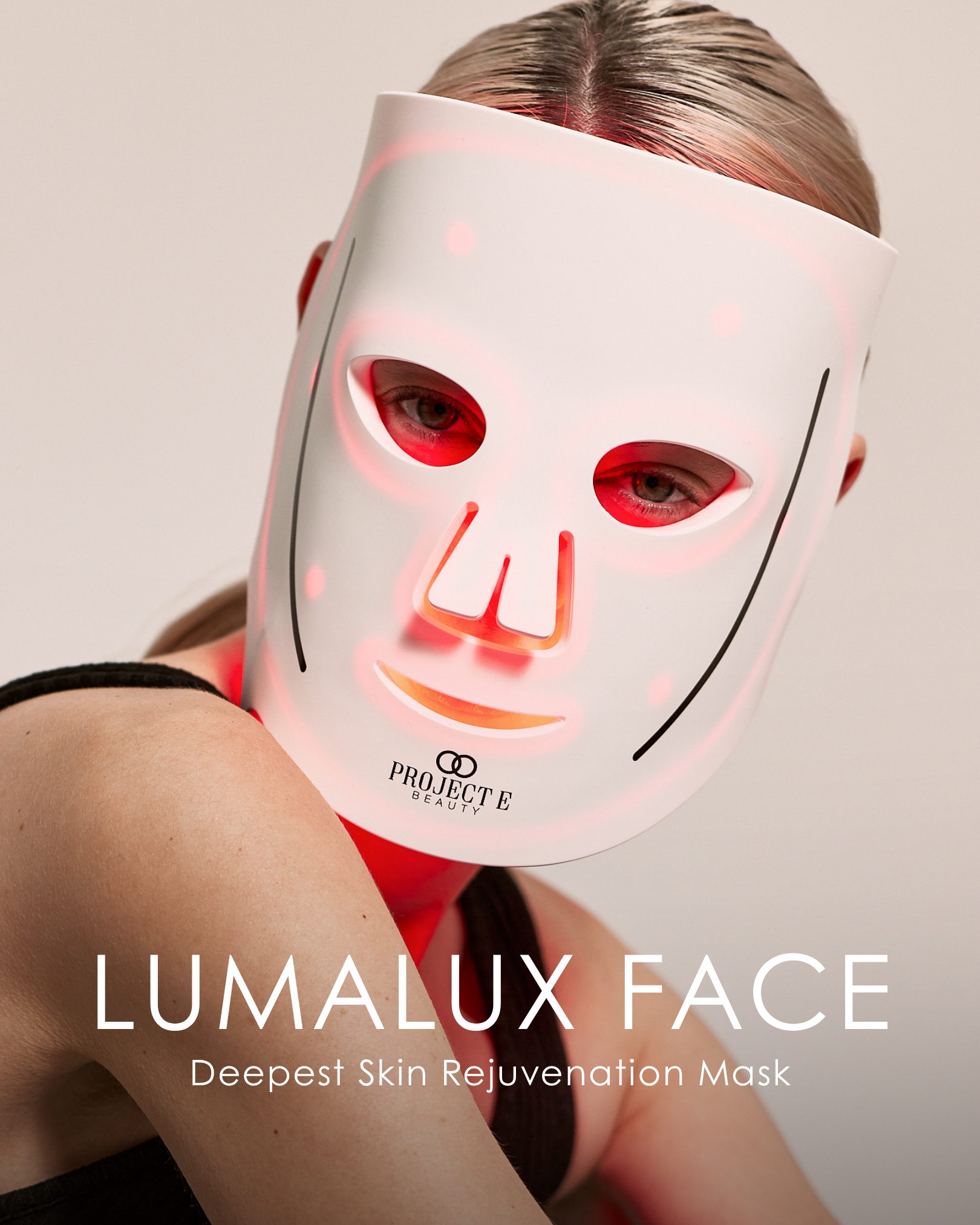
Red light face masks can be a game-changer for skin—so why not get those benefits for the rest of your body? That’s where red light panels come in. These versatile devices can deliver the many benefits of red light therapy, including a boost in collagen production, blood circulation, and cell regeneration, from head to toe, delivering skin rejuvenation and enhancing overall wellness. Here, what to consider.
What Is Red Light Therapy?
Red light therapy is a therapeutic technology that emits specific red light wavelengths (typically between 600 and 700 nanometers) that penetrate skin cells. But there are other types of wavelengths, too—namely, infrared and deep infrared light. Infrared light ranges from 800 to 900 nanometers and can reach even deeper into the tissues in your body. Deep infrared light, meanwhile, ranges between 1,000 and 1,400 nm and can therefore reach further. The three are usually combined to offer the most efficacy—and can help lower inflammation, increase collagen production, and even relieve pain.
How Do Red Light Panels Work?
Red light panels use a combination of red and infrared lights to deliver a full-body dose of skin rejuvenation and help reduce pain and inflammation. Red light reaches the more superficial skin cells, where it does two things: First, it stimulates the production of ATP (which is like fuel for cells) and allows your cells to be more efficient. It also creates low-level stress, which triggers cellular repair. That translates to serious skin benefits: Red light therapy before-and-after photos reveal improvements in wrinkles, sagging skin, breakouts, and redness.
Meanwhile, infrared light therapy benefits take things a step further, since infrared and deep infrared reach more deeply into the skin. They can improve circulation, dial down inflammation, speed up wound healing and muscle recovery, and ease pain.

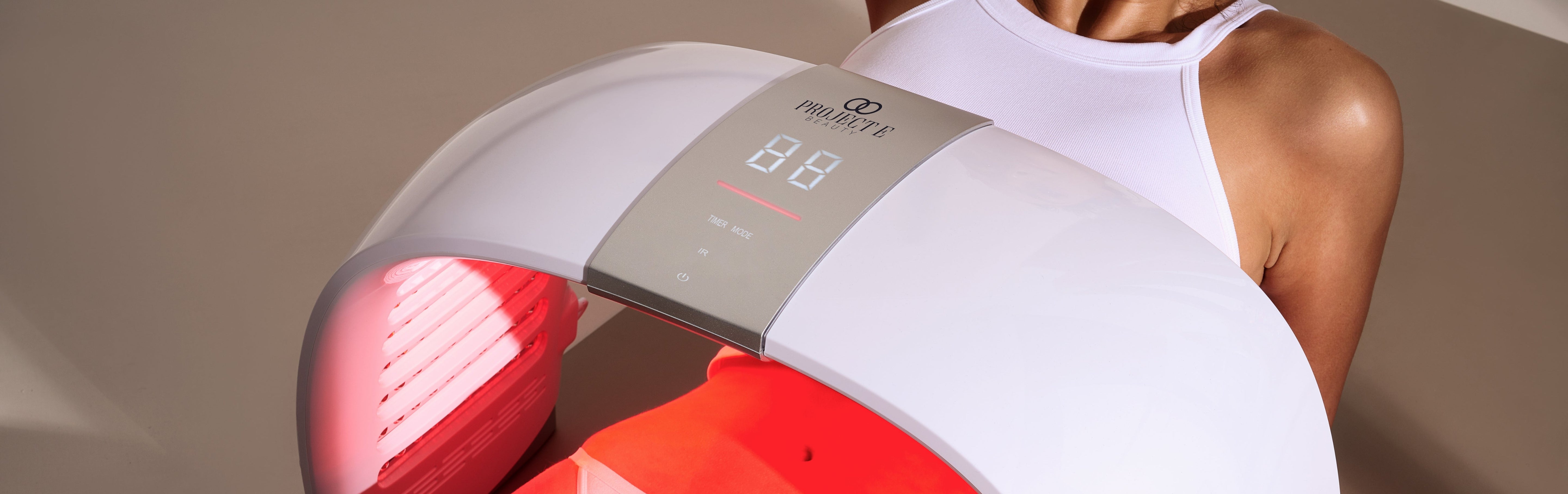
Compared to face masks, red light panels are designed to cover larger areas of the body at once, like your face, neck, and chest, or your abdomen and hips. Take the LumaLux Dome, which makes the most of this technology by combining red, infrared, and deep infrared light (each at its optimal wavelengths) to maximize its skin-rejuvenating benefits. It has 960 LED lights and an ultrawide design that allows you to target the chest, abdomen, and legs in just 10 minutes per treatment area. Some panels, like the Alora Age Renewal, are similarly versatile: The three-fold panel delivers fuller coverage of five wavelengths to target signs of aging and breakouts where you aim it—be it your hands, back, or face and neck.

LumaLux Dome | Face & Body LED Red Light Therapy Device
8 wavelength full body LED light therapy device for skin rejuvenation, fine lines, acne, muscle recovery and mood boost

Alora | Age Renewal LED Light Therapy Panel
Target up to 5 skin layers with advanced blue, infrared and red light therapy contour panel
What Are the Benefits of Red Light Panels?
Red light panels can offer some unique advantages over red light therapy face masks—namely, they allow you to treat multiple areas of the body, like the neck, chest, abdomen, and legs, with a single device, and give you continuous coverage for all contours and curves on the face and body. There’s also evidence that using red light therapy on your abdomen can promote gut health, too.
But face masks still have a spot in your routine, since they allow you to move around with ease. Plus, you can pair a face mask with a separate neck mask (or get them together in a bundle) to treat your neck and décolletage, which are similarly prone to signs of aging but less likely to get TLC. It ultimately comes down to what you’ll actually use more, since consistency is key to seeing results.
What is the Science Behind Red Light Panels?

There’s growing science behind red light panels, with research finding that they can speed up wound healing and reduce redness and hyperpigmentation. The benefits are more than skin deep, too: Research has also found that low-level laser therapy (which includes red and infrared light therapy devices) can reduce inflammation throughout the body, including in the joints and brain.
What Are the Side Effects of Red Light Panels?
Good news: There aren't many red light therapy dangers to worry about. LED light therapy is FDA-cleared, meaning that the FDA deems it comparable to a previously approved technology and considers it safe to use. The biggest concern may be eye protection—though there's limited research on the long-term effects. (That's why all of Project E Beauty's devices are designed with eye protection in mind) And, of course, if you have a medical skin condition, consider talking to your dermatologist before using red light therapy at home.

Conclusion
Red light panels offer unique advantages: They’re ideal if you want to get the benefits of red light therapy for your whole body, or just want a convenient way to treat multiple areas at once. Plus, they give you fuller coverage, so you can tackle wrinkles, target breakouts, and reduce inflammation on your face, neck, hands, abdomen, back, or hips. And while they’re less portable than red light face masks, there’s no better way to address your skin concerns from head to toe.




Leave a comment
This site is protected by hCaptcha and the hCaptcha Privacy Policy and Terms of Service apply.